








Solar FiT Cuts in 2017 - What, Why and When
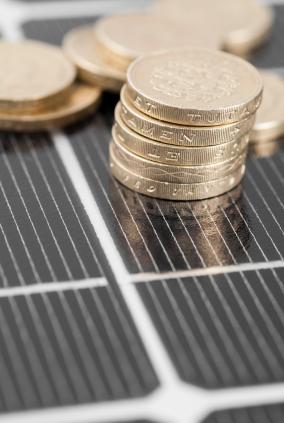 With all the Government changes to the solar feed-in tariff, let’s take a fresh look at the what, why and when in 2017.
When the Government first announced that it was to cut solar subsidies in October 2011 it caused chaos and confusion. From panic buying and planned projects being shelved indefinitely, to the prospect of hundreds of job losses and companies taking legal action, to say the industry was unsettled would be an understatement.
However despite the Government cuts solar PV remains an attractive option, not least because the cost of the technology has fallen equally as dramatically as solar FiTs.
The history of the solar feed-in tariff – what you need to know
The feed-in tariffs (FiTs) were introduced by the Government in April 2010, as a means of encouraging the uptake of renewable energy technologies, such as solar PV. Depending on the technology and the size of the system, you earn money for every kilowatt hour of electricity or heat you generate for your home.
A department of the British Government known as the Department of Energy and Climate Change – or DECC – is responsible for the scheme.
What solar FiT cuts should I expect in 2017?
When FiTs were first introduced the scheme paid out 43.3p/kWh for a solar PV system of up to 4kW. The current rate of 4.11p/kWh was introduced for new installations up to 4kW from 1st January 2017.
The Government changes the FiT every quarter, so we are due for another update at the end of March 2017 – the announcement is usually made a couple weeks after that so by mid April 2017 we will have a new figure. Get a Quote
Why have the FiT cuts been imposed?
‘Why’ can be a futile question at the best of times. Essentially, the popularity of the feed-in tariff (Fit) scheme has led to solar becoming a victim of its own success.
The Government needs to impose the changes in order to keep the feed-in tariff budget under control. The cost of the technology has declined quite considerably since the FiTs were introduced, so in line with dwindling costs, the need to reduce the levels is understandable. DECC has estimated that the cost of installing an average domestic solar PV system was around £13,000 when the FiTs scheme was introduced. Now costs have fallen to around £4,000-£6,000 for a 2-4kW system.
The Government also believes that tariff cuts are necessary to put the solar industry on a "steadier and sustainable growth path." If the tariff levels were left at their original rate the industry was at risk of going bust.
What sort of impact is it going to have on the industry?
That depends on who you ask. Most solar installers are extremely angry with the Government, believing the changes will essentially kill off the UK’s booming solar industry. While they do have a point – not least with the level of the cuts imposed and the swiftness – the solar industry has known for some time of the need to reduce the current levels of solar subsidies.
So there’s no denying that slashing solar subsidies will have a considerable impact on the UK solar market. While many business models are certain to suffer, free solar schemes faced the biggest impact and the biggest losses.
When is the new tariff going to be introduced?
All new solar PV systems up to 4kW installed on or after 1 January 2017 will be eligible for the current rate of 4.11p/kWh. The new rate is likely to be announced by the government by mid April 2017. Get a Quote
Why does the government keep reducing the FiT rate?
Obviously to encourage the uptake of a scheme like FiTs, you need to make it attractive.
However, the problems arise when you set the level high and leave it too high for too long. DECC did consider various scenarios, which ranged from doing nothing to lowering tariffs in 2012. Ultimately, they chose to impose lower tariff levels early and introduce significant cuts alongside new energy efficiency eligibility criteria.
What, if anything positive, can be harnessed from the ongoing cuts?
Well, for starters, if you can look above and beyond the surface doom and gloom, some industry executives think the cuts will act to deter cowboy installers. It should also help to remove a number of companies operating in the market who have been charging way-above market rates for their solar panels.
Industry insiders also point to the solar PV cuts as having a positive effect on the sales of solar thermal panels for homeowners who are looking for other cost-effective options when it comes to achieving cuts in their energy bills."
Why should I still invest in solar?
Solar PV is still a viable option and offers a far better annual income than most banks. Solar Guide’s solar PV calculator is a great resource for helping you estimate the annual income and investment payback achievable.
Resources
Find local, MSC certified Solar Installers
Start your quote
Find local, MSC certified Solar Installers