






Sharp Corporation develops world’s highest solar cell conversion efficiency
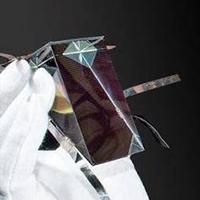
The Japanese electrics corporation believes it has achieved an efficiency of 43.5% thanks to a concentrator triple-junction compound solar PV cell. The cells will be used in a lens-based concentrator system which focuses sunlight on the cells in order to generate electricity.
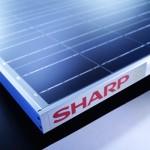
New Sharp solar module efficiencies could reach the domestic market reducing costs
Sharp uses compound semiconductor materials which utilize photo-absorption layers made from compounds formed from two or more elements such as indium and gallium. A proprietary technology developed by the company enables efficient stacking of the three layers with InGaAs (Indium gallium arsenide) forming the bottom layer. In addition to the three layers Sharp has also optimized the spacing between electrodes on the surface of the cell and minimized the cell's electrical resistance.
The new development is a result of research and development that is part of the 'R&D on Innovative Solar Cells' project that has been promoted by Japan's New Energy and Industrial Technology Development Organization (NEDO). The new efficiency rating was confirmed by Germany's Fraunhofer Institute for Solar Energy Systems (ISE). Previously compound solar cells have only been used on satellites in space but Sharp intends to apply the cells into CPV systems that can generate electricity using small surface area solar cells.
Although at present the new cells will only be used in CPV (essentially utility-scale concentrated solar power plants), in the long term it means escalating efficiency rates for mass market solar panels also according to the green website Treehugger. Currently cells available in the domestic market only have an efficiency of 15% to 20% but as efficiency improves prices will continue to fall.
The new efficiency rating eclipses the company's previous record of 36.9% achieved in November.
Find local, MSC certified Solar Installers
Start your quote
Find local, MSC certified Solar Installers