




6 Solar Energy Myths Dispelled
 In terms of electricity generation, solar panels are widely regarded to be one of mankind’s greatest innovations. In fact, over the past 50 years, production of solar PV panels has increased dramatically.
However, solar energy continues to be surrounded by a variety of myths and misconceptions so we’re setting the record straight by debunking 6 of the most popular myths we still see in 2021.
Get Free Solar Panel Quotes: Get quotes and compare prices.
1. Installing Solar Panels in 2021 Isn’t Cost Effective: FALSE
This is by far the most common solar panel myth we come across. Installing solar panels might not be cheap but with some time and patience you’ll be getting a return on that investment. As the cost of traditional energy sources continues to rise, the price of solar technology is actually coming down. In fact, the cost of systems has come down dramatically in the last couple of years. For example, a large 4kWp system currently costs around £6,300, the same system in 2010 would have been nearer to £15,000.
You can find out more about the costs, savings and benefits of solar panels with our handy guide.
2. Solar Panels Will Look Ugly on my Roof: FALSE
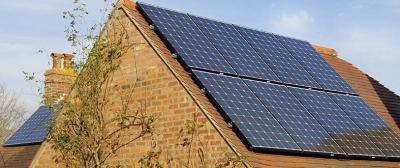
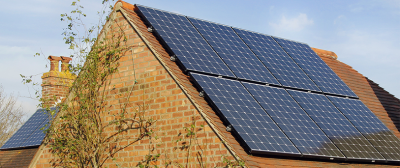
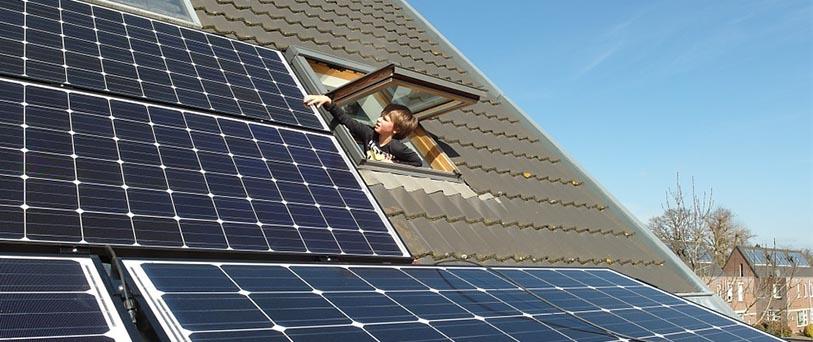
Now, this one ultimately comes down to personal taste. Some may say that solar panels look unsightly, others will marvel at their aesthetic beauty. It’s fair to say that solar panels do look “better” if they are fitted flush to the roof and therefore are more akin to skylights. If you’re not keen on how solar panels look, then there’s the option of the more discreet solar tiles but they do come at a higher cost.
Aesthetics aside, solar panels could make your home more attractive to potential buyers should you decide to sell.
3. They Won’t Work if You Live in a Cloudy, Cold Climate: FALSE
It’s common sense that solar panels are going to work best in sunny climates but they can still generate power on cloudy days too. So, the myth that solar panels won’t work in the UK simply isn’t true as it’s the radiation from the sun, rather than the temperature and heat, that provides photovoltaic generation.
Germany, a country certainly not renown for its hot sunny weather, is the European leader in solar energy (once the world), so although solar panels will gather more energy in sunny climates, they can still work in a place like Alaska.
In addition, it’s a common misconception that solar energy can’t be used to power your home at night. While the solar panels won’t be generating any new energy, thanks to solar batteries, the energy generated during the day can be stored up for use after sunset, meaning that you can make the most of your solar panels all day and night.
Get Free Solar Panel Quotes: Get quotes and compare prices.
4. Solar Panels are Hard to Maintain: FALSE
As they don’t have any moving parts, solar panel maintenance varies from little to none during their lifetime. In fact, you just have to keep them clean from dust for maximum efficiency. So, if you live in a rainy climate, they’ll virtually keep themselves clean. The inverter is the most fragile part in a grid-connected solar energy system and can last for around 10 years, costing roughly 10% of your total energy system costs.
5. The Efficiency of Solar Panels is too Low: FALSE
On the whole, the efficiency levels of solar panels might not be as high as the industry would like them but they’re getting more efficient every single year. As new types of solar panels are developed, their effiency will continue to rise. However, that’s not to say they aren’t efficient already. Despite the appearance of a low efficiency, often 10% – 20%, a solar PV system on your roof could power your home and reduce your reliance on your energy supplier, which will help to lower your energy bills.
6. Solar Panels Only Last 10 Years: FALSE
The known and accepted lifespan of solar panels is around 20-25 years, with some lasting even longer. In fact, there are solar installations dating back to the 70s that are still producing cheap, clean electricity. Although it has now closed to new applications, the 20 year guarantee on payments through the Feed-in Tariff scheme was introduced for a reason; it mirrors the expected lifespan of the solar PV panels used in a household installations.
Solar Myths Busted
If you were concerned about some of the myths we’ve now busted, see how much you could save, and eventually earn money thanks to installing solar panels on your roof by using our Solar PV Calculator.
Complete our simple online form and you’ll get free quotes from up to 4 trusted solar PV installers in your local area, giving you the opportunity to compare multiple quotes before hiring an installer to carry out the work.
Get Free Solar Panel Quotes: Get quotes and compare prices.
Find local, MSC certified Solar Installers
Start your quote
Find local, MSC certified Solar Installers